Smt Sumitrabai Thakare Ayurvedic College & Hospital Facilities 2026 Admissions 2026, Courses, Fees & Cutoffs
Institute Type
Private
Total Courses
1 Courses
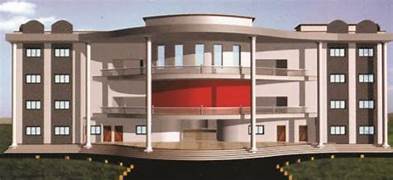
SSTAC Yavatmal is built around the idea of a fully self-contained academic campus, so that students spend less time managing daily logistics and more time on their demanding BAMS coursework and clinical training. Spread across 4 acres in the MIDC Area of Lohara, the campus combines dedicated teaching infrastructure — classrooms, laboratories, and a library — with an attached hospital for clinical exposure, a large herbal garden for practical pharmacognosy training, and everyday amenities that would normally require a trip into the city. The list below summarises the principal facilities available to BAMS students on campus.
Counselling Updates
View allLoading updates...
Campus Infrastructure
Campus Infrastructure & Facilities
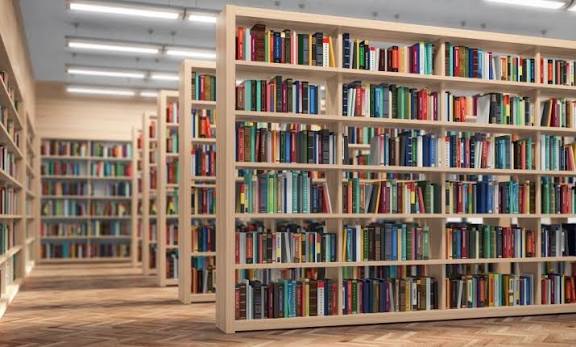
Library with Ayurvedic Texts, Journals & E-Resources
A well-stocked library housing a vast collection of Ayurvedic classical texts, modern medical journals, and reference material, supplemented by access to online databases and e-resources to support student research and study.
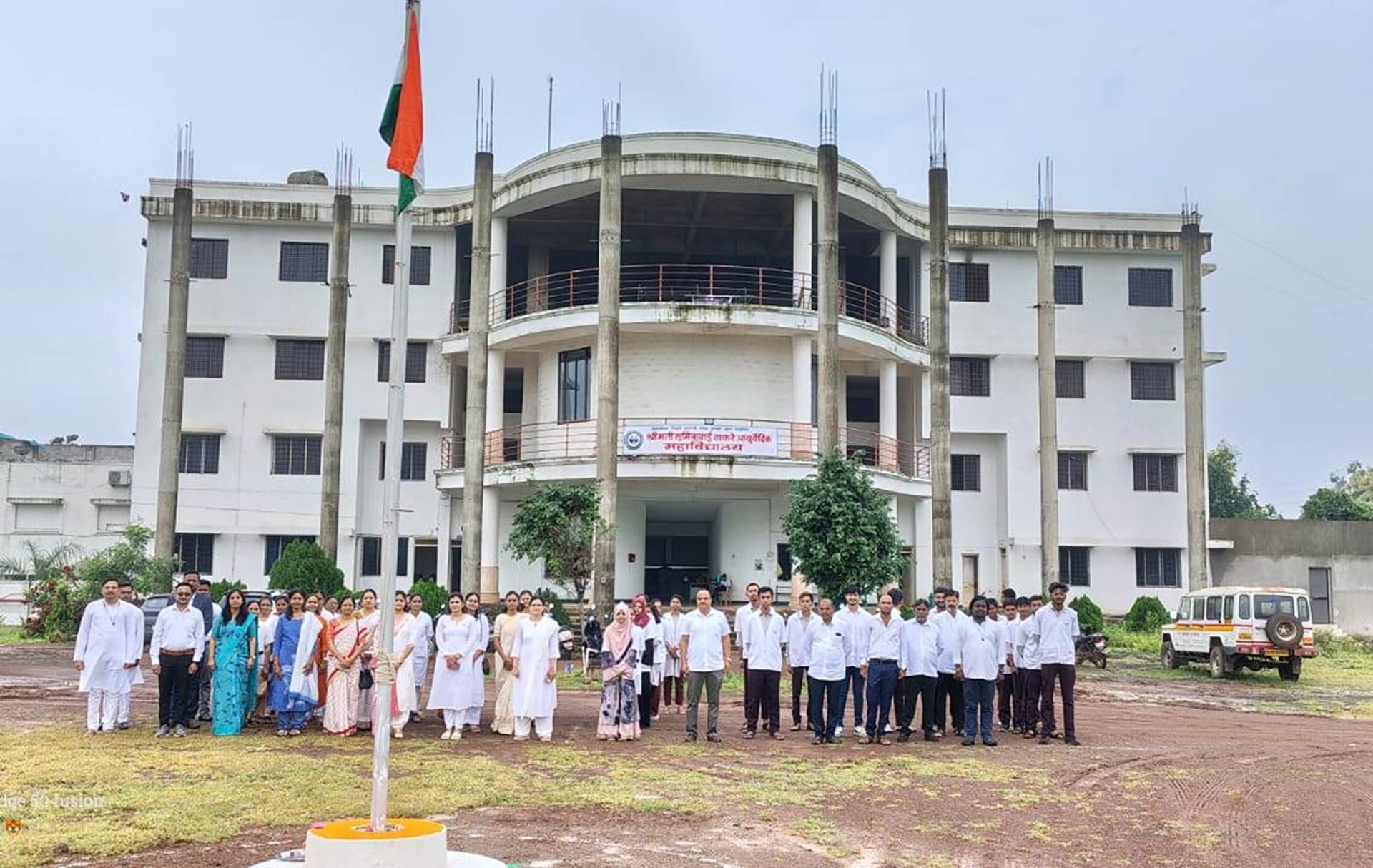
Smt. Sumitrabai Thakare Ayurvedic Hospital – OPD & IPD Services
A fully functional attached Ayurvedic hospital offering Outpatient (OPD) and Inpatient (IPD) services across departments including Kayachikitsa, Panchakarma, Dravyaguna, Rasashastra, Agadtantra, and Swasthavritta. Students gain supervised clinical exposure and hands-on patient interaction as part of their BAMS training, and the hospital serves the healthcare needs of Yavatmal and surrounding rural communities.
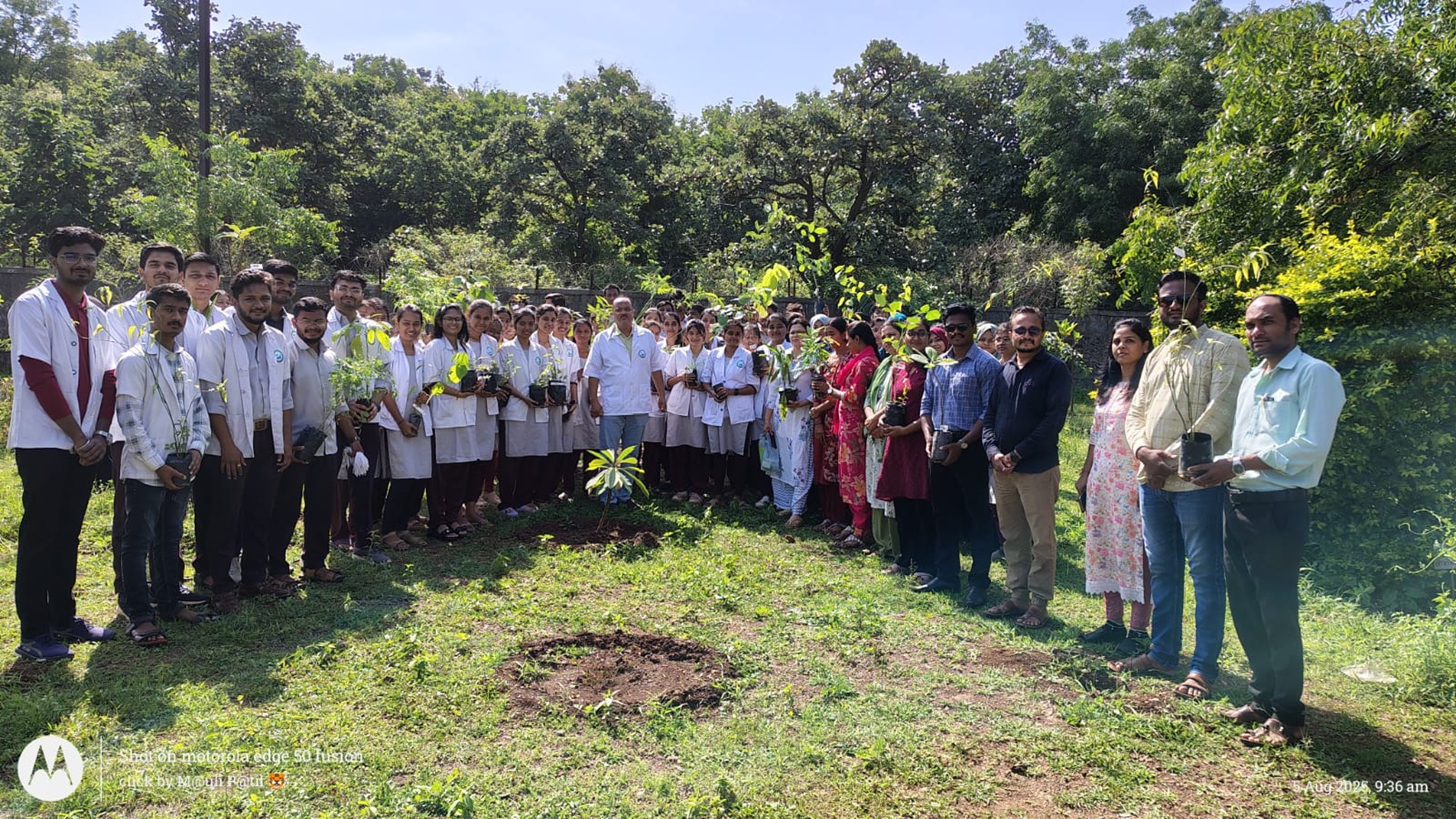
Herbal Garden – 200+ Medicinal Plant Species
A dedicated herbal garden housing over 200 medicinal plant species used extensively for Dravyaguna teaching, plant identification practicals, and student research, giving BAMS students direct field exposure to classical Ayurvedic materia medica within the campus itself.

Modern Classrooms, Laboratories & IT Infrastructure
Modern, air-conditioned classrooms equipped with audio-visual aids, along with well-equipped laboratories for Anatomy, Physiology, Rasashastra, and Dravyaguna. The campus also provides IT infrastructure to support digital learning and research activities.
Hostel & Accommodation
Boys Hostel Fee Structure
| Room Type | Course | Annual Fee |
|---|---|---|
| Boys Hostel | ₹60,000 |
Girls Hostel Fee Structure
| Room Type | Course | Annual Fee |
|---|---|---|
| Girls Hostel | ₹60,000 |
* Fees are subject to change. Please contact the administration for the latest details.
Campus Facilities at Smt Sumitrabai Thakare Ayurvedic College & Hospital
- Smt. Sumitrabai Thakare Ayurvedic Hospital — an attached teaching hospital offering OPD and IPD services across Kayachikitsa, Panchakarma, and allied clinical departments, giving students supervised, real-patient clinical exposure from their para-clinical years onward
- Herbal Garden with 200+ Medicinal Plant Species — used extensively for Dravyaguna and Rasashastra practicals, plant identification exercises, and student research projects
- Modern Air-Conditioned Classrooms — fitted with audio-visual aids to support interactive, technology-assisted lectures across all three professional years
- Well-Equipped Laboratories — dedicated lab spaces for Anatomy (Rachana Sharir), Physiology (Kriya Sharir), Rasashastra & Bhaishajya Kalpana, and Dravyaguna practicals
- Library with Ayurvedic Texts, Journals & E-Resources — a curated collection of classical Ayurvedic literature, modern medical references, and access to online databases for research and exam preparation
- IT Infrastructure — computer and internet facilities supporting digital learning, e-resource access, and administrative processes
- Ultra-Modern Gymnasium & Sports Facilities — supporting student fitness and well-being alongside the rigorous academic schedule
- On-Campus Bank, Post Office & Shopping Complex — everyday essential services located within the self-sustaining MIDC campus itself
- Sai Temple — an on-campus place of worship contributing to the calm, community-oriented campus atmosphere
Student Life and Campus Environment
Beyond the core academic and clinical infrastructure, SSTAC Yavatmal's location — away from the noise of the main city yet fully self-sufficient — is frequently cited as one of its strongest practical advantages by students and faculty alike. The MIDC campus setting keeps distractions to a minimum while still providing everything from banking and postal services to fitness facilities without students needing to leave the premises. Regular institutional activities, including seminars, workshops, and guest lectures from experienced Ayurvedic practitioners, are conducted to supplement classroom learning with real-world clinical insight. The combination of a dedicated herbal garden, an operational teaching hospital, and a genuinely self-contained campus makes SSTAC a practical environment for students who want to focus intensively on their 66-month BAMS journey without the added friction of commuting or managing daily errands off-campus.
Infrastructure Supporting Day-to-Day Academic Life
Beyond the flagship facilities listed above, SSTAC Yavatmal's day-to-day academic rhythm is supported by additional infrastructure typical of a well-organised professional college. Departmental laboratories are maintained separately for Anatomy, Physiology, Rasashastra & Bhaishajya Kalpana, and Dravyaguna, allowing practical batches to work without overlapping schedules — an important consideration for a college running a full 60-seat annual intake across three professional years simultaneously. The library's collection of Ayurvedic classical texts and modern reference material is periodically updated to align with MUHS's evolving syllabus, and access to online databases helps students preparing case presentations, seminars, and their mandatory research methodology coursework. IT infrastructure across the campus supports both administrative processes, such as CET Cell-linked admission verification, and academic needs like accessing digital study material. Sports facilities and the on-campus gymnasium provide a structured outlet for physical activity, something particularly valued by students managing the demanding, exam-heavy schedule typical of a 66-month medical degree. Together, this infrastructure reflects a campus designed less around standalone showpiece buildings and more around consistent, practical support for the full BAMS academic and clinical journey.


Upcoming Exams
IISER
IISER Aptitude Test • June 2026
NEST
NEST Entrance Exam • June 2026
CUET
CUET UG Exam • 11-31 May 2026
PGIMER
BSc Nursing Exam • July-August 2026