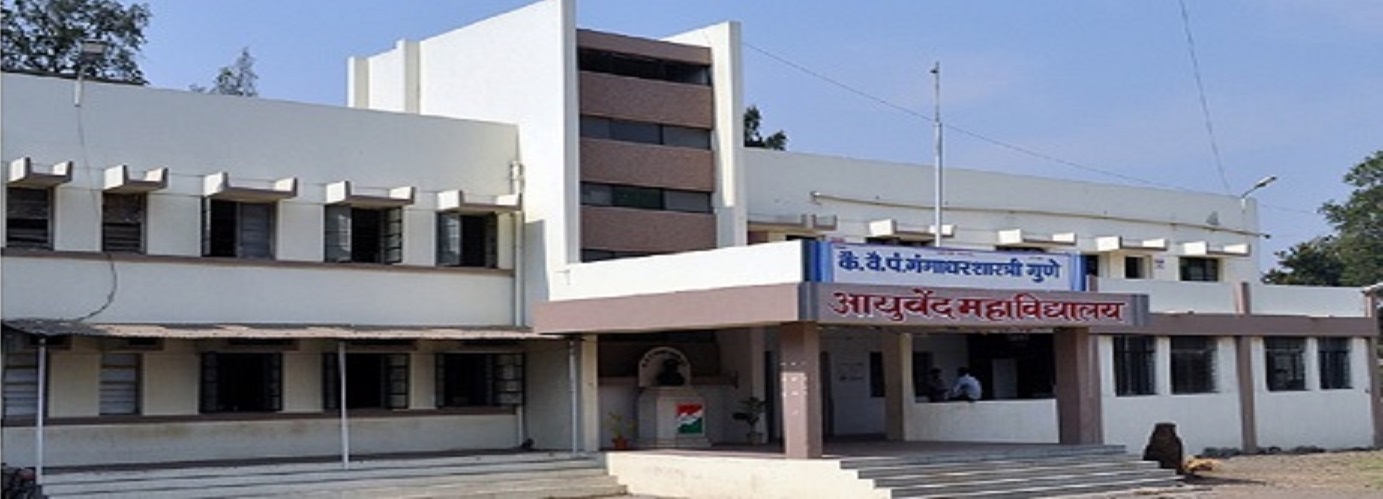

Shri Gangadhar Shastri Gune Ayurved Mahavidyalaya Admissions 2026, Courses, Fees & Cutoffs
Institute Type
Government-Aided
Total Courses
1 Courses
Shri Gangadhar Shastri Gune Ayurved Mahavidyalaya - Overview
Table of Contents
About Shri Gangadhar Shastri Gune Ayurved Mahavidyalaya
Shri Gangadhar Shastri Gune Ayurved Mahavidyalaya, located at Vishrambaug, Maliwada in Ahmednagar, Maharashtra, is one of the oldest and most historically significant Ayurvedic medical colleges in India. Founded in 1917 by the late Vaidya Panchanan Gangadhar Shastri Gune, the college was directly inspired by Lokmanya Bal Gangadhar Tilak's call to standardise Ayurvedic education across the nation. It operates as a Government Grant-in-Aid institution under the trust Ayurved Shastra Seva Mandal, offering students an affordable and deeply rooted Ayurvedic education. For candidates searching for "Top BAMS Colleges in Maharashtra," "Government Aided Ayurvedic Colleges," or "Historic Ayurveda Colleges," this institution offers a unique blend of heritage and modern medical training.
Explore the comprehensive list of courses offered by Shri Gangadhar Shastri Gune Ayurved Mahavidyalaya, including detailed fee structures, specializations, and eligibility criteria:
Shri Gangadhar Shastri Gune Ayurved Mahavidyalaya Courses
1 Courses10+2 with Physics, Chemistry, Biology (and English) from a recognised board; minimum 50% aggregate marks in PCB; valid NEET (UG) qualifying score; minimum age and category-wise relaxations as announced annually by NTA/NCISM/Maharashtra CET Cell.
| Course | Fee Range | Eligibility |
|---|---|---|
| BAMS 1 specialization | ₹ 3.69L - 3.80L Check Fee Details | 10+2 with Physics, Chemistry, Biology (and English) from a recognised board; minimum 50% aggregate marks in PCB; valid NEET (UG) qualifying score; minimum age and category-wise relaxations as announced annually by NTA/NCISM/Maharashtra CET Cell. |
Shri Gangadhar Shastri Gune Ayurved Mahavidyalaya Admissions
Below is the complete admission information including eligible exams, eligibility criteria, admission process, and important notes for each program offered.
Required Entrance Exams
NEET (UG)
Important Notice
The official website actively publishes current-cycle admission materials each year, including the 'Admission Scrutiny Form', 'Anti Ragging Committee' details, the current 'Permission Letter', and the current 'Fee Structure'. All admissions are conducted exclusively through Maharashtra State CET Cell and/or AACCC centralised counselling; no direct or off-counselling admission is offered.
Confused about Admissions?
Don't navigate the complex process alone. Chat with our expert counsellors for 1-on-1 guidance on cutoffs, documentation, and securing your seat.
Recognised — College Code AYU0144; Extended Permission for 60 UG seats (73 with EWS), 2025-26
NCISM
Grant-in-Aid Institution — 100% government grant on staff salaries
Government of Maharashtra
Registered Charitable Institution, Registration No. F-2
Charity Commissioner, Maharashtra State
Complete Rankings Report
Explore all historic rankings and ratings
| Publishing Agency | Ranking / Rating |
|---|---|
NCISM | Recognised — College Code AYU0144; Extended Permission for 60 UG seats (73 with EWS), 2025-26 |
Government of Maharashtra | Grant-in-Aid Institution — 100% government grant on staff salaries |
Charity Commissioner, Maharashtra State | Registered Charitable Institution, Registration No. F-2 |
QCI (Self-Reported on Official Website) | QCI 2024 Rating Grade 'A', All India Rank 47 — as stated on the official college website's news ticker; not independently cross-verified by this record's compiler against a separate published QCI ranking document |
Scholarships & Financial Aid
Information regarding scholarships and financial aid opportunities provided by the institute.
Available Scholarships
| Scholarship Name | Eligibility Criteria | Award Amount |
|---|---|---|
Maharashtra Post-Matric Scholarship (Mahadbt Portal) | SC/ST/OBC/EBC/Minority/EWS students domiciled in Maharashtra enrolled in MUHS/NCISM-recognised BAMS programmes; apply via mahadbt.maharashtra.gov.in | Tuition fee reimbursement and maintenance allowance per Government of Maharashtra scholarship schedule |
National Scholarship Portal (NSP) / Central Sector Scholarship | Merit-cum-means eligible students in NCISM-recognised BAMS programmes; apply via scholarships.gov.in | As per Government of India NSP norms for the relevant academic year |
Tuition Fee Waiver Scheme (TFWS), Maharashtra | Economically weaker section students meeting Maharashtra government income criteria, admitted through state quota counselling | Full or partial tuition fee waiver as per Government of Maharashtra TFWS scheme |
EBC (Economically Backward Class) Scholarship | Students from economically backward families per Maharashtra government criteria | As per Government of Maharashtra EBC scholarship schedule |
Campus Infrastructure
Campus Infrastructure & Facilities
Attached Teaching Hospital
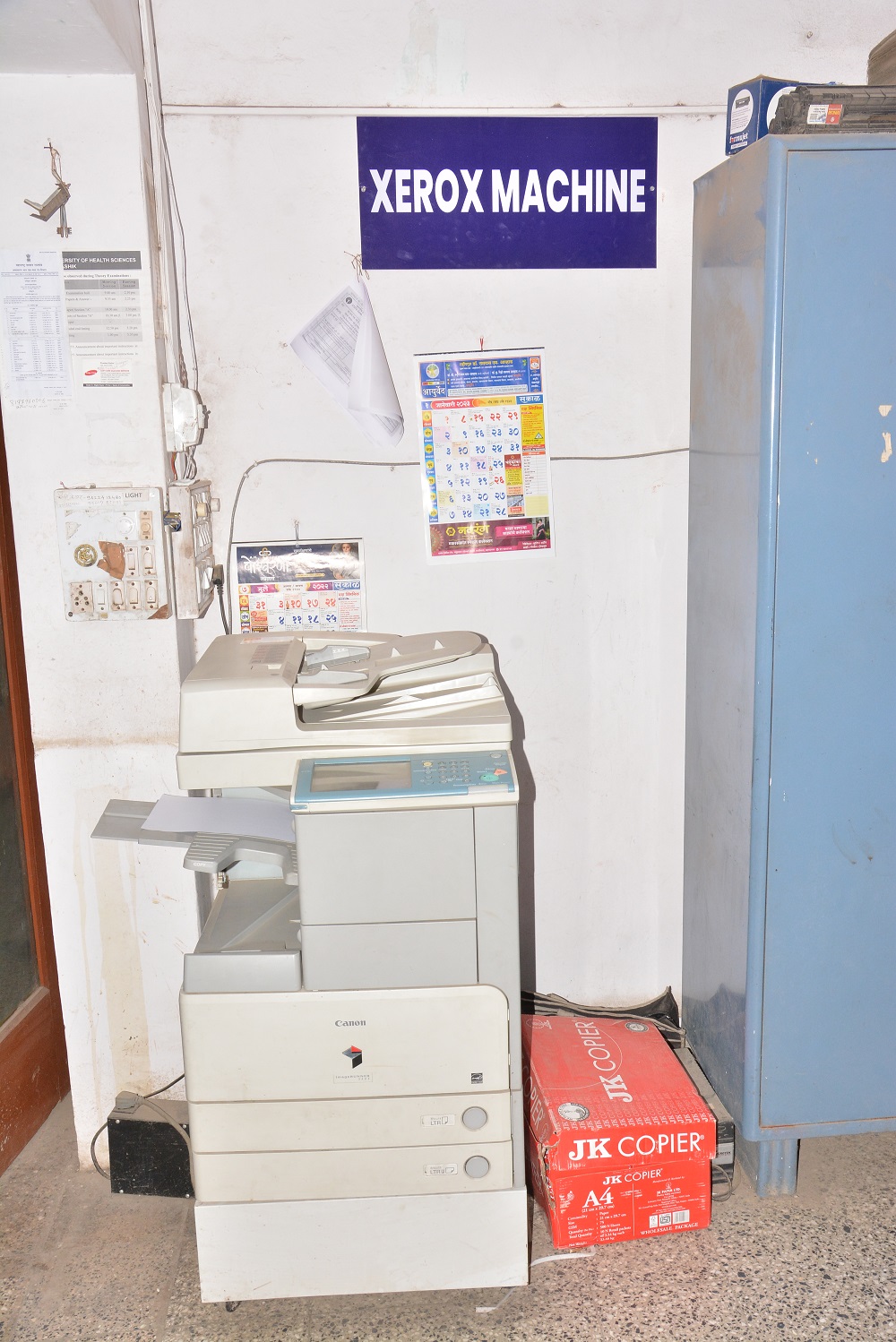
Documented infrastructure includes OPD, IPD, Operation Theatre, a dedicated Panchkarma Block, Physiotherapy unit, Clinical (Pathology) Laboratory, Labour Room, and Hospital Canteen — per the college's official NCISM-compliance infrastructure list. Exact bed capacity not independently verified.
Departmental Infrastructure (14 Departments)
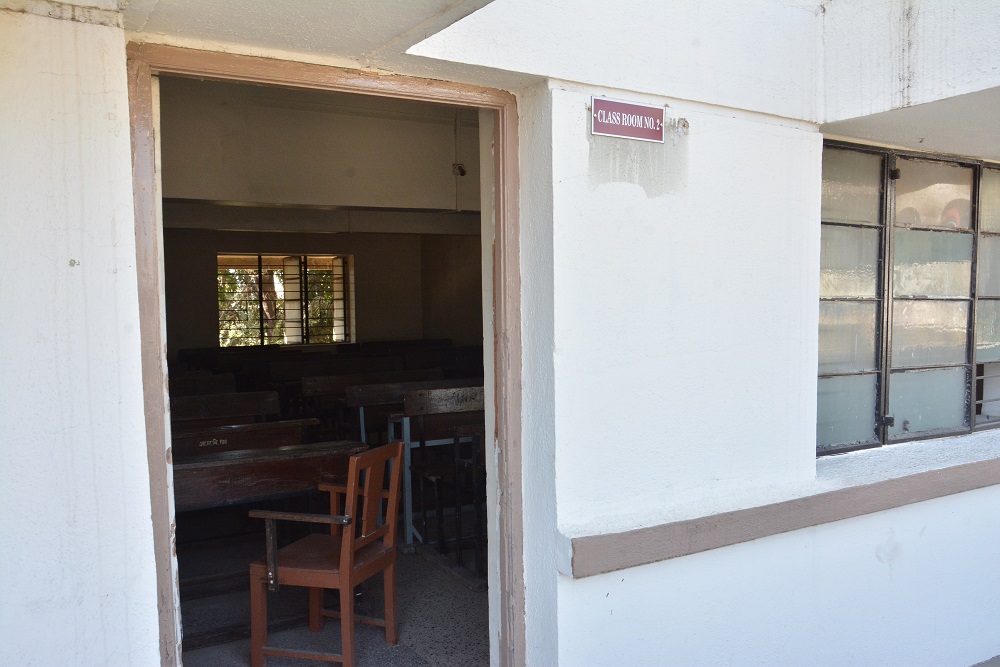
Dedicated departmental infrastructure for all 14 BAMS academic departments — Samhita, Kriyasharir, Rachanasharir, Dravyagun, Rasshastrakalp, Rognidan, Agadtantra, Swasthavritta, Kayachikitsa, Shalyatantra, Shalakyatantra, Panchkarma, Strirog, and Balroga — as listed in official NCISM compliance records.
Seminar Hall & AV Room
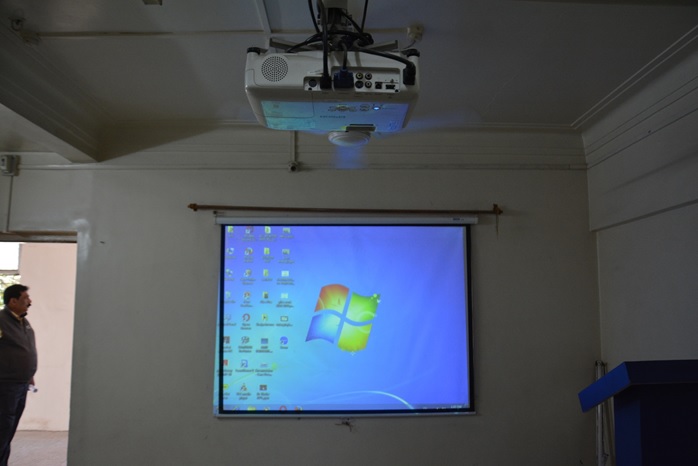
Dedicated Seminar Hall and Audio-Visual Room for academic presentations, conferences, and institutional events, per official infrastructure listing.
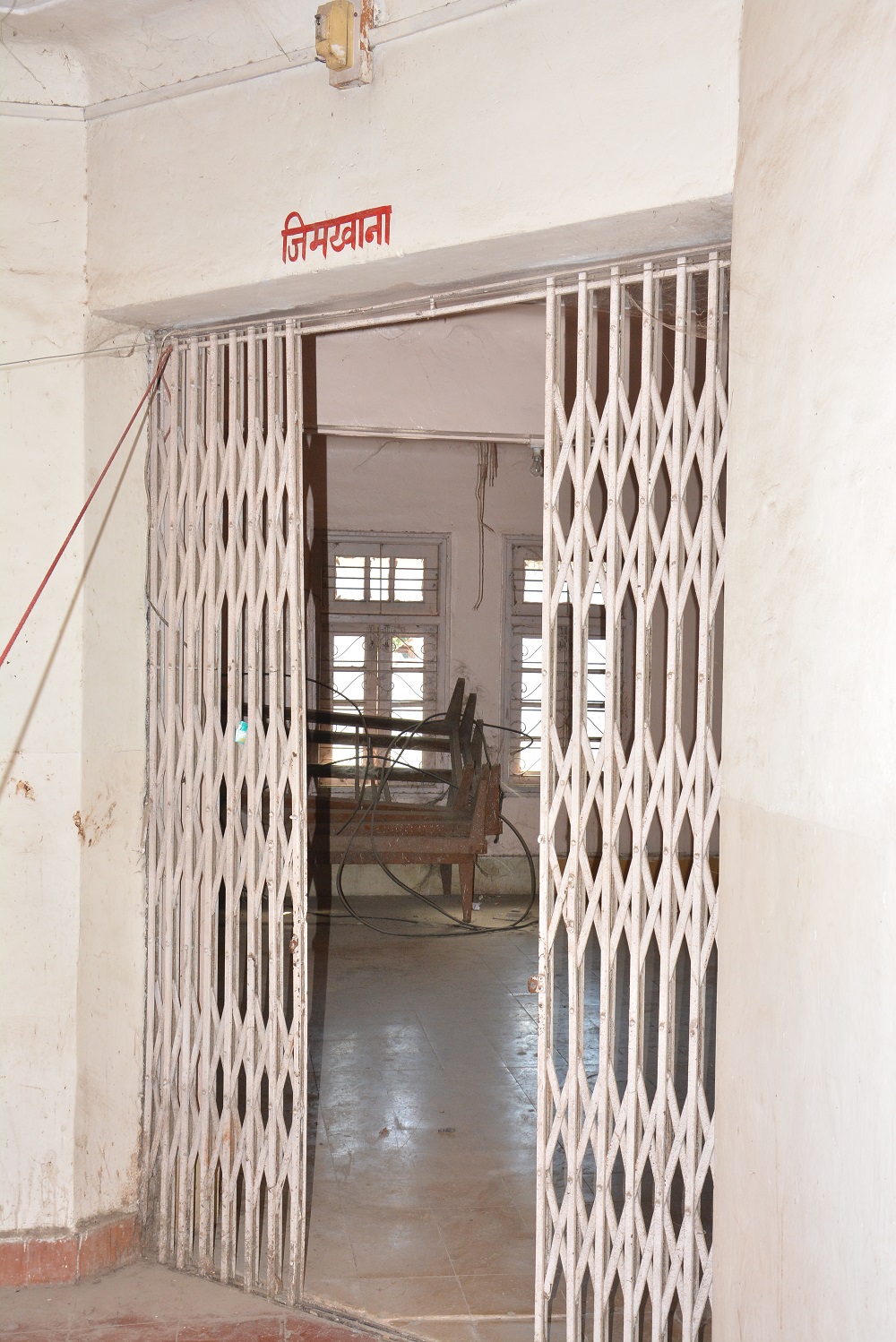
Gymkhana, Canteen & Common Room
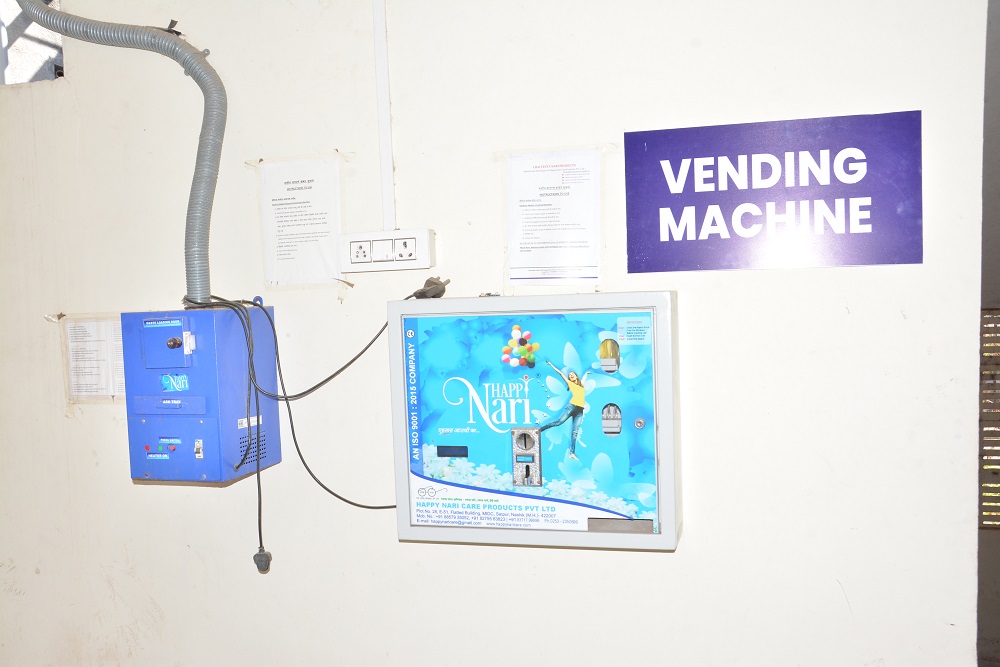
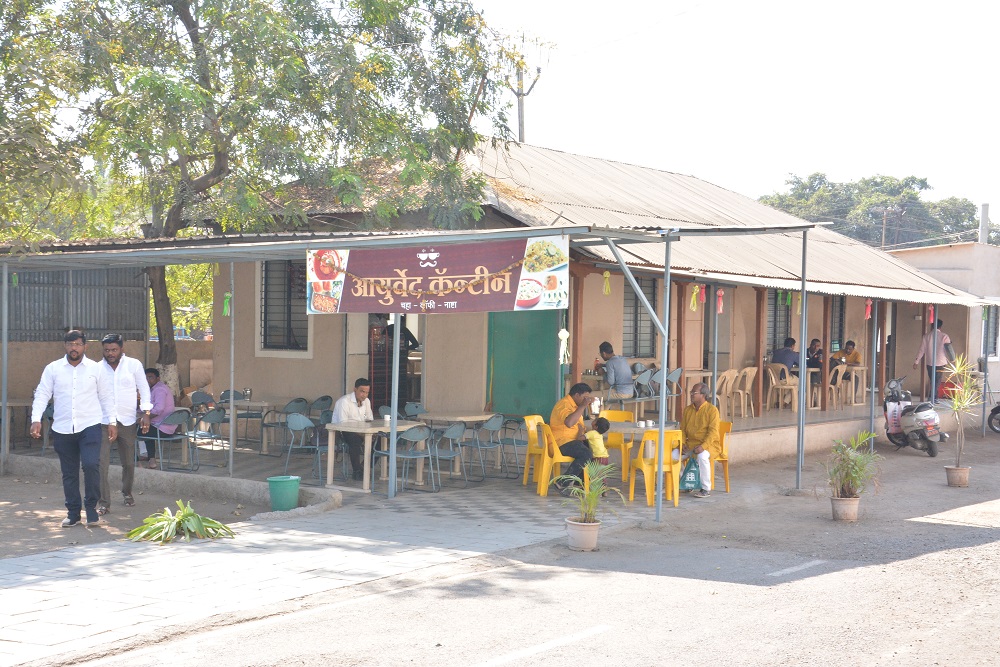
On-campus Gymkhana (sports facility), student Canteen, Common Room, and vending-machine amenities, per official infrastructure documentation. Third-party sources additionally describe a computer lab, guest house, gym, and indoor stadium.
Hostel & Accommodation
Boys Hostel Fee Structure
| Room Type | Course | Annual Fee |
|---|---|---|
| Room | undergraduate | ₹12,000 |
Girls Hostel Fee Structure
| Room Type | Course | Annual Fee |
|---|---|---|
| Room | undergraduate | ₹12,000 |
* Fees are subject to change. Please contact the administration for the latest details.
Campus Gallery
Infrastructure
Infrastructure
Infrastructure
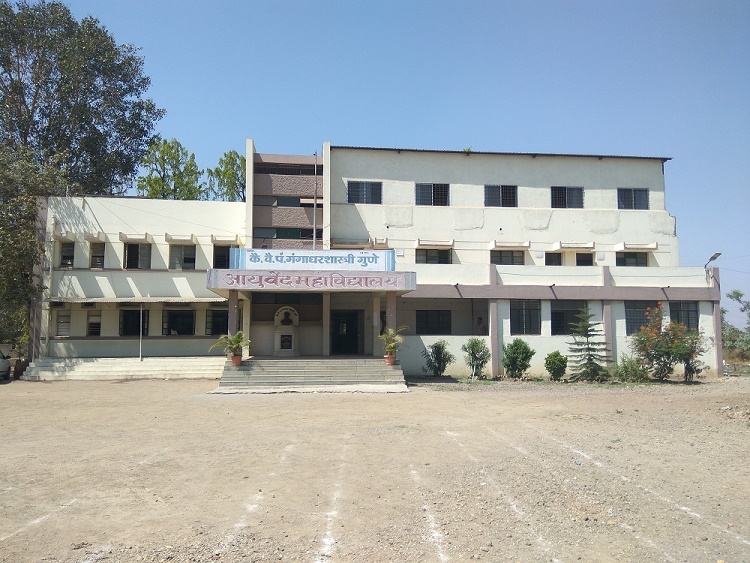
Campus
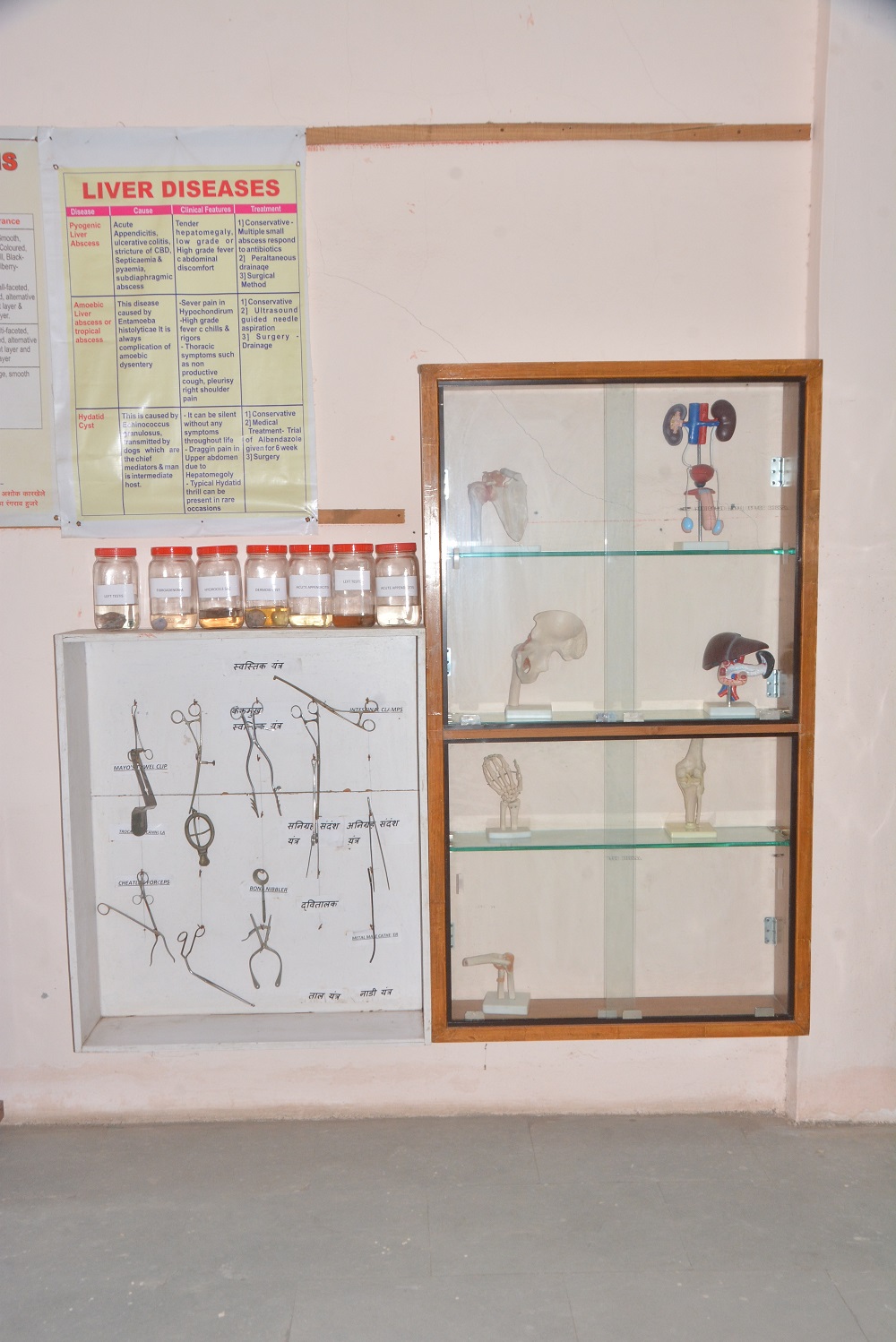
Infrastructure
Frequently Asked Questions
The college was founded on 8th May 1917 by the late Vaidya Panchanan Gangadhar Shastri Gune, who established Ayurved Shastra Seva Mandal as the parent institute, inspired by Lokmanya Bal Gangadhar Tilak's call for standardising Ayurvedic education across India. It is among the oldest Ayurvedic colleges in India, with over a century of continuous operation.
Yes. The college holds NCISM College Code AYU0144 and is recognised by the National Commission for Indian System of Medicine, New Delhi (successor to CCIM). Per the official NCISM 'List of Permitted Ayurveda Colleges for A.Y. 2025-26', it has Extended Permission for an intake of 60 BAMS seats (73 including EWS), with no PG (MD/MS) seats currently sanctioned at this institution.
The college is affiliated with Maharashtra University of Health Sciences (MUHS), Nashik, since 1999. Prior to MUHS's establishment, it was affiliated with the University of Pune.
No. As of the current NCISM 2025-26 permitted-colleges list, the college's sanctioned intake is exclusively for the undergraduate BAMS programme (60 seats, 73 with EWS), with 0 PG seats. Some older third-party sources reference small PG seat numbers from prior years, but these are not reflected in the current official NCISM permission.
Outpatient Department (OPD), Inpatient Department (IPD), Operation Theatre, Panchkarma Block, Physiotherapy, Clinical (Pathology) Laboratory, Labour Room (Obstetric Care), Hospital Canteen
Counselling Updates
View allLoading updates...
Shri Gangadhar Shastri Gune Ayurved Mahavidyalaya, Ahmednagar — Complete Admission & College Guide 2026
A Historic Grant-in-Aid Ayurvedic Institution in Maharashtra
Deep Historical Ties and Legacy
The college's historical significance extends far beyond its academic curriculum. During the pre-independence era, the institute served as a gathering point and safe shelter for numerous freedom fighters. It has hosted towering figures of modern India, including Mahatma Gandhi, Dr. B.R. Ambedkar, and Lokmanya Tilak himself. This rich legacy instils a profound sense of national pride and social responsibility within its student community.
Regulatory Compliance and MUHS Affiliation
G.S. Gune Ayurved College operates with full regulatory compliance. It holds the NCISM College Code AYU0144 and has been granted Extended Permission for the BAMS program. Since 1999, the college has been affiliated with the Maharashtra University of Health Sciences (MUHS), Nashik, ensuring that its degree is fully recognized and legally valid for state registration and professional practice across India.
Explore Related Resources


Upcoming Exams

IISER
IISER Aptitude Test • June 2026
NEST
NEST Entrance Exam • June 2026
CUET
CUET UG Exam • 11-31 May 2026
PGIMER
BSc Nursing Exam • July-August 2026